
Mercari, Yahoo! Japan Auctions, eBay… more and more shoppers are turning to overseas C2C (consumer-to-consumer) second-hand platforms to hunt for hidden gems — whether it’s discontinued trading cards, limited-edition designer goods, vintage fashion, or rare cosmetics. The catch? These platforms are open marketplaces where individual sellers list items at will, and quality varies enormously. Counterfeits, empty packages and “not as described” items are all very real risks. As your trusted proxy shopping and consolidated shipping partner, Buy&Ship has put together 9 of the most common pitfalls you will find on overseas C2C platforms. Whether you are a card collector, luxury enthusiast, or simply new to overseas proxy shopping, give this article a read before you click “Buy”!
Table of Contents (click to jump)
→I. Why You Need Extra Caution on C2C Marketplaces
→II. 9 Red Flags When Shopping on C2C Platforms
→III. Why Choose Buy&Ship for Overseas Second-Hand Proxy Shopping?
→IV. What to Do When a Dispute Arises?
I. Why You Need Extra Caution on C2C Marketplaces
C2C (Consumer-to-Consumer) platforms facilitate transactions between individual users, which is fundamentally different from B2C e-commerce sites (such as official brand stores or retailer websites). The biggest difference: C2C platforms do not vet the authenticity or quality of every item listed — everything depends on the seller. Add in cross-border barriers like language, location, and shipping logistics, and disputes become even harder to resolve. That is why “knowing your products” and “knowing how to pick reliable sellers” are the keys to successful overseas treasure-hunting.
II. 9 Red Flags When Shopping on C2C Platforms
1. Sealed = Safe? “Brand New, Unopened” Items Are Actually the Hardest to Verify
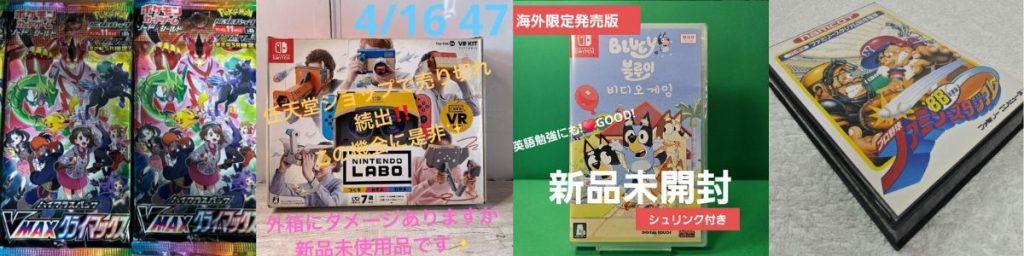
Buyers often feel reassured when they see keywords like “completely unused,” “factory sealed,” or “box in pristine condition.” Ironically, these are the items hardest to authenticate. Trading card boosters, blind-box mystery sets, lucky bags (fukubukuro), capsule toys, and limited-edition kits — as long as the seller has the box in hand, they can call it “brand new.” But you will never know what is actually inside until it is too late: original goods, expired or degraded stock, or even an empty shell.
✅ What to do: For high-value sealed items, prioritize sellers with a history of similar transactions and clear positive feedback specifically mentioning authenticity. Before buying, ask the seller for additional photos showing the box’s serial numbers, security stickers, factory shrinkwrap and other authenticity markers.
2. Can’t Find a Single “Real-Life Photo”? You Might Just Be Buying an Official Stock Image

If a listing only shows polished, perfectly lit official product images and lacks any natural-light, hand-held, or unboxing photos, chances are the seller does not actually have the item in hand — they may simply be reselling, or even pre-ordering on your behalf. Deliberately blurry, out-of-focus, or poorly lit photos are also a red flag, often used to hide flaws, stains, or signs of counterfeiting.
✅ What to do: Choose listings with “real photos, multiple angles, and natural lighting.” Make sure you can clearly see card numbers, serial codes, brand stitching, and any visible defects. If the seller only provides a single stock image, message them and request additional real photos. If they refuse, walk away.
3. The Seller’s Account Is Practically a Blank Slate? Pause for Three Seconds

Brand-new accounts, zero transaction history, only a handful of vague reviews, or accounts that only list one or two high-value items are textbook signs of fraudulent or short-term scam sellers. Another red flag: reviews that look suspiciously perfect but vague, or feedback from users with similar usernames and identical avatars — these are usually fake reviews planted to create the illusion of trustworthiness.
✅ What to do: Visit the seller’s profile and review their overall activity — long-standing operation, consistent product categories and detailed written feedback are signs of a more reliable seller. For large purchases or limited-edition items, opt for platform-verified shops (such as Mercari Shops, eBay Top Rated Sellers, or Yahoo! Japan business stores) for stronger protection.
4. Listings That Say “Welcome, Resellers!” in Foreign Languages? Not Always a Friendly Gesture
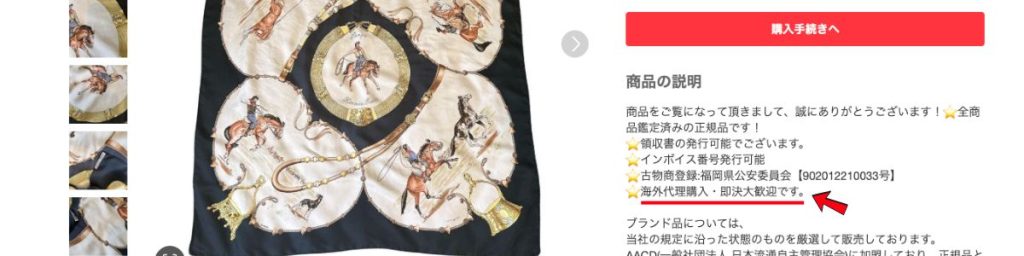
Some listings will randomly include phrases in English, Chinese, or other non-local languages, such as “Pay immediately,” “Welcome resellers,” or “Sourced through legitimate channels.” It may seem like the seller is being thoughtful toward overseas buyers, but in reality these phrases are often deliberate bait targeting international shoppers. At the same time, sellers will hide critical details (e.g. “outer box only,” “random style,” “single item shipment”) deep inside lengthy descriptions, hoping non-native readers will miss them.
✅ What to do: Make it a habit to translate the entire product description sentence by sentence, paying special attention to quantity, what is actually shipped, and return policies. The more aggressively a seller “welcomes” overseas buyers, the more cautious you should be.
5. Vague Description + Suspiciously Low Price = Red Light


Slight price discounts compared to market value can be normal (e.g. the seller is in a rush to clear stock, or the item shows light wear). However, when “low price” comes packaged with “near-empty description,” “incomplete information” and “missing specifications,” it is time to be on full alert. Such listings often turn out to be damaged cards, opened items, defective goods, empty boxes — or outright counterfeits.
✅ What to do: Before placing an order, search the average market price of the same item to set a baseline. For listings that are too thin on details, message the seller and ask for more information. If the seller refuses or gives vague replies, move on to a more transparent listing — saving a few dollars is not worth the risk.
6. Insanely Low Prices ≠ Bargains — They Are Usually Carefully Set Bait
“This PSA-graded card should sell for thousands — why is it only a few hundred here?” “A limited-edition designer item suddenly at 80% off?” When the price drops dramatically below recognized market value, it is rarely good fortune — more often, it is a phishing trap. Scammers use ultra-low prices to lure impulse buyers, then disappear after payment, ship empty packages, or send poorly made counterfeit replacements.
✅ What to do: Before ordering, search the same item’s transaction history over the past 1-3 months on the same or other resale platforms to establish a fair price range. If a listing is more than 50% below the going rate, stay calm — paying a fair price for peace of mind is far better than gambling for a “deal.”
7. If the Listing Mentions “観賞用 / レプリカ / Replica / Display Only” — Walk Away Immediately
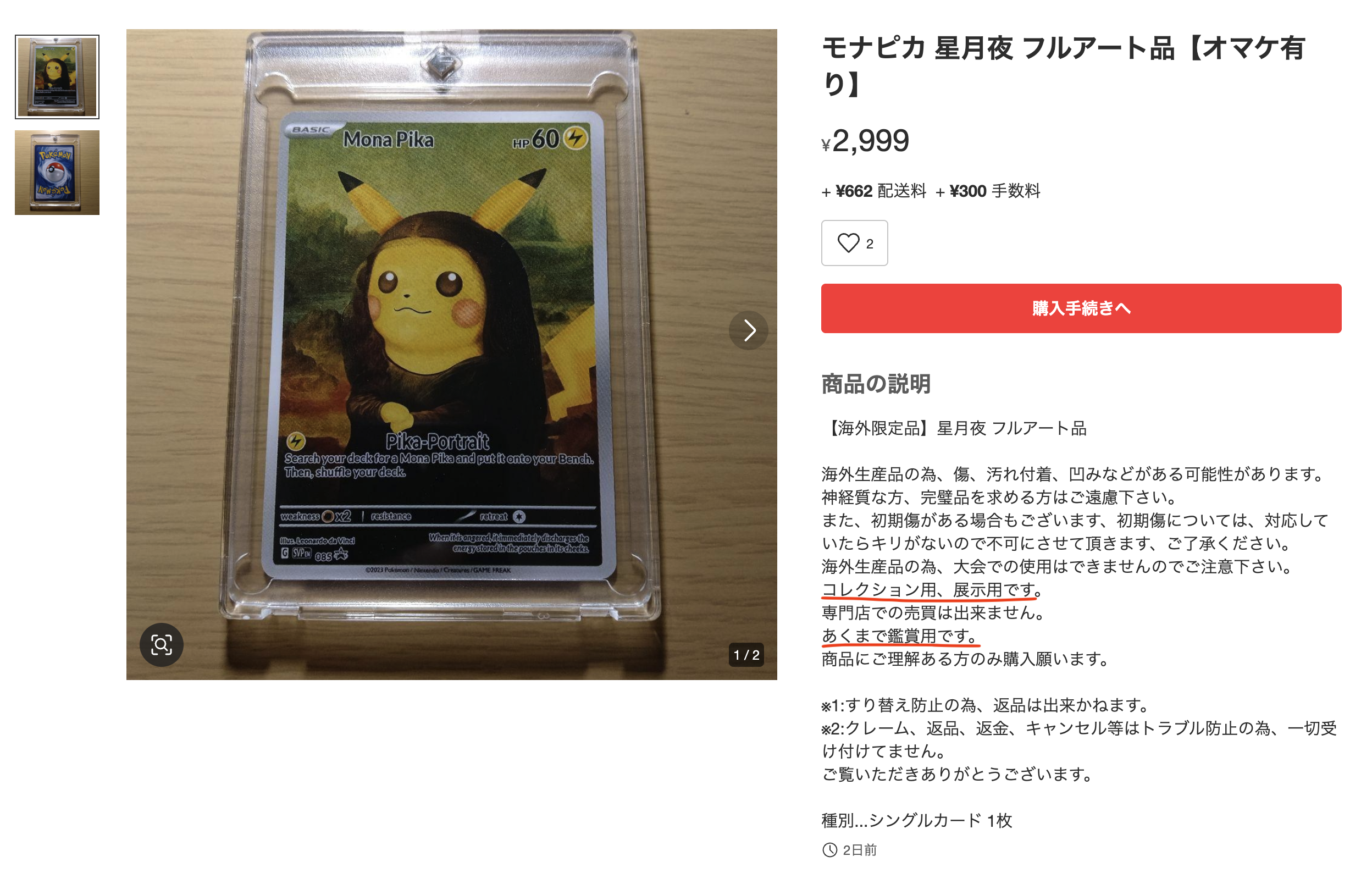
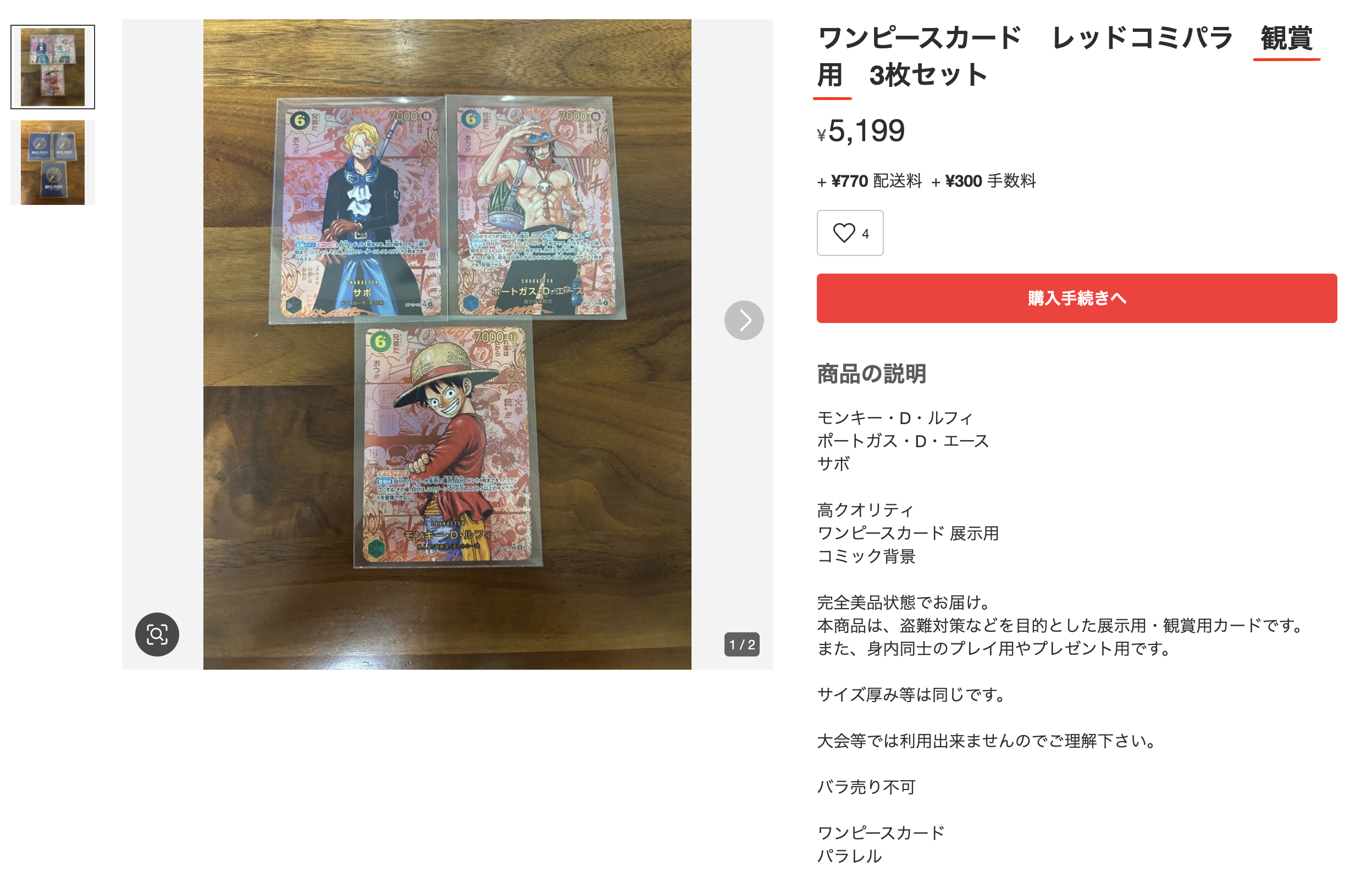
Some sellers will openly disclose that the item is not authentic, using Japanese keywords such as 観賞用 (display only), コピー品 (copy item), レプリカ (replica), 複製品 (reproduction), 自作 (self-made), or ハンドメイド (handmade). These all mean the same thing: the item is not an official, brand-authentic product — it is a knockoff, replica, or homemade version. Such terms are especially common in trading card, poster, and luxury accessory listings, paired with stunning photography that misleads non-Japanese-speaking buyers.
✅ What to do: Run the entire description through a translator and look out for the keywords above. If you spot any one of them, leave the listing immediately. If you are still interested, message the seller directly to confirm authenticity and keep screenshots of the conversation as evidence in case of a dispute.
8. “1BOX” or “Original Box” Claims Need a Second Look — DIY Boxes Are Common
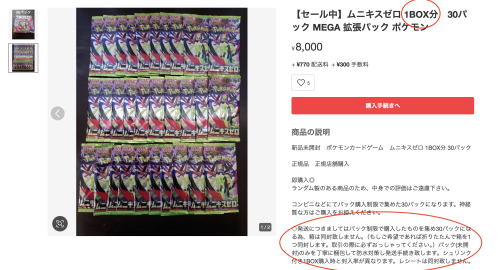
Trading cards, capsule toys, and blind-box products are often listed as “1BOX,” “Original Sealed Box,” or “Unopened BOX” as a major selling point. But when you read the fine print, the seller may quietly mention things like “outer box prepared by us,” “non-original packaging,” or “loose items.” That means what you will receive is just loose individual items repackaged in a homemade cardboard box — yet priced as if it were a complete original box. The collectible value is essentially destroyed.
✅ What to do: Carefully read every line of the description and watch for phrases such as 「外箱は当方にて用意」, 「自作外箱」, 「簡易包装」, or 「裸品」. If the seller does not show clear photos of the original factory shrinkwrap, barcodes, and serial numbers, message them to confirm. Don’t fall for clever packaging tricks.
9. Buying a PSA-Graded Card? Always Cross-Check the Cert Number
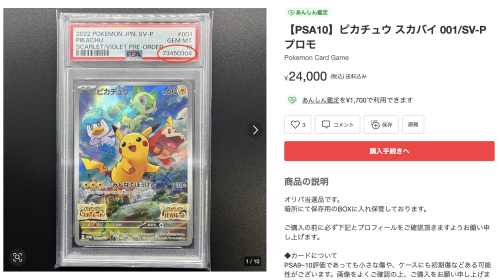
Every PSA-graded card carries a unique Cert Number (certification number), and this number — along with the card image, grade, and year — is recorded in the official PSA database. Some unscrupulous sellers will copy the Cert Number of a genuine card, attach it to a counterfeit label and shell, and try to pass it off as the real thing to buyers unfamiliar with the verification process.
✅ What to do: Before ordering, zoom into the listing photo until you can clearly read the Cert Number on the PSA label. Then go to the official PSA website (psacard.com/cert) and enter the number. Confirm that the card name, year, grade, and image all match. If anything does not match, or if the seller deliberately blurs the certification number, walk away. The same verification approach also works for BGS-, CGC-, and SGC-graded items.
A Friendly Reminder!
Don’t let an attractive price blind you to the risks. If a listing has too little information, missing seller details, or suspicious photos — simply skip it and find a well-reviewed, well-described version of the same product. Remember: there are countless duplicate listings on every C2C marketplace. Missing one is no big deal, but falling into a scam can cost you hundreds of dollars.
III. Why Choose Buy&Ship for Overseas Second-Hand Proxy Shopping?
Most overseas C2C platforms come with restrictions: IP blocking, mandatory local phone verification, and no international shipping support — all of which make it difficult for overseas buyers to order directly. Buy&Ship’s proxy shopping service solves these pain points easily:
- A dedicated specialist handles ordering, payment and receiving on your behalf — all transactions completed within the platform, eliminating off-platform scam risks
- No need for local phone or address verification, no language barriers
- Items can be consolidated with other overseas online purchases for shipping back home, saving on overall shipping costs
- Limited-time $0 proxy shopping service fee + ultra-low JPY exchange rate, more competitive than other proxy services
IV. What to Do When a Dispute Arises? Use Platform Protection Wisely
Every C2C platform offers some form of buyer protection. When you receive counterfeit goods or items not as described, take action right away:
- Mercari: File a complaint within 3 days of receiving the item; refunds and returns supported
- Yahoo! Japan Auctions: Disputes can be raised through the “Otegaru Torihiki” (easy transaction) system
- eBay: File via eBay Money Back Guarantee
Always keep transaction records, product photos, and seller conversations as evidence, and follow each platform’s specific complaint procedures.
⚠️ Important: Cross-Border Proxy Shopping Is Often NOT Covered by Local Platform Protection
Please note: most Japanese and overseas C2C platforms only handle disputes for transactions within their domestic territory. Because Buy&Ship facilitates a “proxy shopping + international forwarding” model, the goods are ultimately shipped overseas. Once a platform identifies the transaction as cross-border, they may directly refuse the dispute and decline to compensate. Even if you submit a complaint, the chance of recovery is significantly lower than for local buyers.
That is why the most effective protection comes before placing the order — through careful product selection. Choose your sellers wisely, read descriptions thoroughly, cross-check market prices, verify certification numbers… the more diligent you are upfront, the lower your risk of falling into a trap.
📌 Buy&Ship’s Role in Second-Hand Transactions
Since C2C platforms sell second-hand goods, Buy&Ship’s role is strictly that of a proxy buyer and forwarder. We are not responsible for the authenticity, quality, or accuracy of any item received. However, if a member encounters an issue after receiving the goods, our team will do our best to assist in communicating with the seller and the platform — submitting complaints and following up on disputes on your behalf. That said, because cross-border transactions usually fall outside most platforms’ protection scope, the final outcome — whether you receive a response, refund, or compensation — rests entirely with the platform’s official decision, and Buy&Ship cannot guarantee that any dispute will be resolved successfully.
For this reason, doing your homework before you buy and reading each listing carefully will always be the most effective way to avoid traps.